
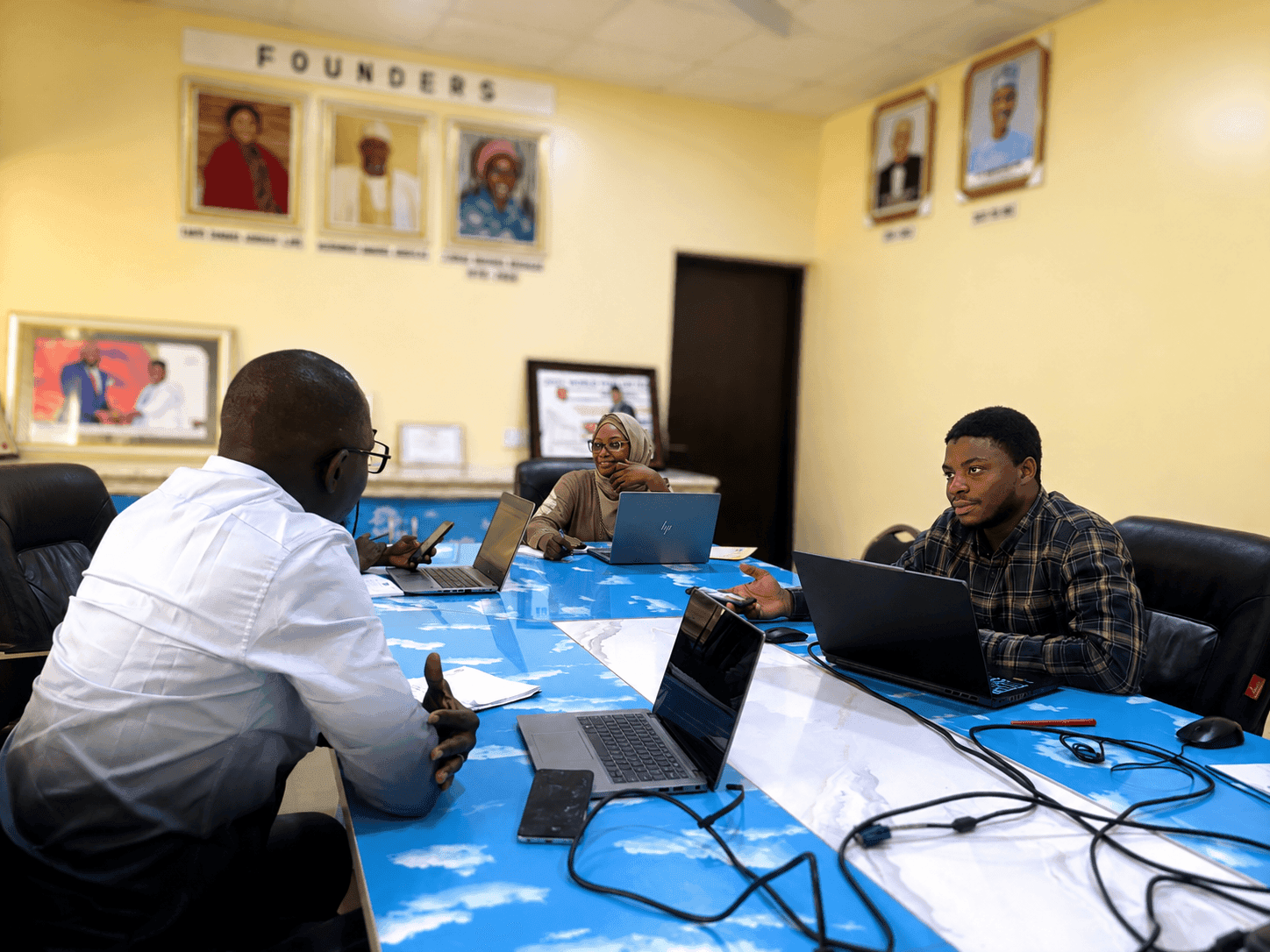
Last year, I took on a project that seemed straightforward: helping one of Nigeria’s rapidly growing agribusinesses, L&Z Integrated Farms Nigeria Limited, to build a Digital Marketing Unit.
At first it looked easy enough. But what happened after talking to the HR manager and the MD is just a reflection of a bigger trend I’ve seen in many industries and organizations that there’s a big difference in getting people to do digital marketing vs building a solid digital marketing capability.
This assignment looked different than it seemed because the point of our project was not just to get more Instagram followers or run more ads on Facebook. It wasn’t about redesigning the website or hiring a social media manager and certainly wasn’t about cranking out more posts.
Our true goal was to develop something much deeper and more meaningful. We aimed to build a digital marketing system that would support the company’s long-term growth. Our priority was to create a solid foundation that would remain effective even after our involvement ended.
Many businesses mistakenly believe they just need better digital marketing. In reality, what they truly need is a more resilient and comprehensive digital marketing system. This insight completely reshaped our approach to the project.
Rather than opting for quick fixes or short-term solutions, we focused on designing a sustainable strategy that could consistently deliver results over time.
8 Lessons We Learnt From Building The Digital Marketing Unit
Lesson 1. Understand the business before you touch the marketing.
Before recommending a specific platform or tool, the first few weeks of the engagement were spent getting to know the organization itself. That meant looking closely at its corporate vision, value chain, commercial operations, internal capabilities, and current level of marketing maturity.
I needed to visit the business, meet its people, and have several meaningful conversations with the management and staff of the organization.
A lot of digital marketing engagements go straight to tactics, such as which platform to use, what content to post, and how much to spend on ads. But skipping that foundational understanding is one of the main reasons many marketing investments in Nigeria do not deliver lasting results.
You cannot build an effective system for a business until you first understand what makes it unique.
Lesson 2. You cannot design a department around capabilities you have not measured.
Once we understood the business better, the real question became, “What skills and resources do we already have, and where are we lacking?”
To find the answers, we needed to dive deep with a thorough gap analysis. This meant assessing our current skills, reviewing how they do things, and taking a hard look at the technology they already use. Just as importantly, we had to talk to the people who would actually be doing the work, not just the leaders who approve budgets.
It’s surprising how often organizations skip this crucial step and jump right into hiring or training. That’s why so many new hires and training programs fall flat; they don’t actually target the gaps we thought they would.
If we don’t take the time to measure and understand those gaps, we can’t effectively address them. This step is not just a box to check; it’s essential for setting ourselves up for success.
Lesson 3. Structure comes before recruitment.
One of the earliest recommendations in this engagement focused on structure rather than people. It involved defining roles, reporting lines, responsibilities, and workflows. It was essential to identify which decisions required sign-off and from whom.
Many Nigerian organizations tend to do this in reverse. They hire people first and hope the structure will fall into place once the right person is in the role. Unfortunately, this rarely works. A talented hire placed in an undefined structure often spends more time figuring out how the organization works than actually doing the work they were brought in to do.
It’s crucial to build the structure first and then recruit people to fit within it before building the digital marketing unit.
Lesson 4. A digital marketing strategy disconnected from the business strategy is not a strategy.

The digital marketing plan developed for this organization was purposefully aligned with the corporate vision, product strategy, distribution strategy, customer acquisition goals, brand positioning, and revenue targets.
One of the biggest failures that is often overlooked by Nigerian digital marketers is creating a content calendar, and launching campaigns without aligning them with the commercial objectives of the business. Digital marketing that is not integrated with the broader business strategy frequently becomes an activity in itself. But when properly aligned, digital marketing can be one of the clearest paths to revenue generation for the organization.
Lesson 5. Governance is what makes marketing survive beyond any single employee.
A crucial aspect of this engagement involved something that might not get the spotlight it deserves: governance. Think of it as the backbone of a successful marketing team, consisting of elements like a digital marketing policy, standard operating procedures, approval workflows, brand standards, and reporting formats.
It’s easy for executives to overlook governance until a key team member leaves unexpectedly. That’s when the reality hits; they often take with them a treasure trove of undocumented knowledge, the little details and processes that were in their heads. When that happens, the entire team can feel the impact, leading to confusion and inconsistency.
Implementing effective governance is not just about having rules; it’s about creating a framework that allows everyone to operate smoothly, no matter who is in what role. It fosters collaboration and helps maintain the brand’s voice and messaging, even as team dynamics change. Prioritizing governance means investing in the long-term success of the marketing department, enabling creativity and strategy to flourish without the worry of lost knowledge or chaotic transitions. In the end, it’s about building a resilient team that can adapt and thrive together.
Lesson 6. Technology should enable the system, not define it.
The discussion of tools and technology, including website improvements, CRM recommendations, email marketing systems, analytics, content systems, and social platforms, came only after the operating model had been designed.
The importance of this point is greater than it at first appears. A great many organizations tend to purchase software first and only then attempt to develop a strategy. In the present case of building a digital marketing unit for L&Z Integrated Farms Nigeria Limited, technology was not the starting point; rather, it acted as a support for a model which had already been properly designed. I have looked at how this principle can be applied to the latest generation of AI-driven marketing tools in the article ‘AI and the Future of Business: 5 Trends Every Nigerian Business Leader Must Know‘, and the fundamental lesson is the same. Tools can only amplify a strategy; they cannot compensate for the lack of one.
Lesson 7. Training is not the finish line.
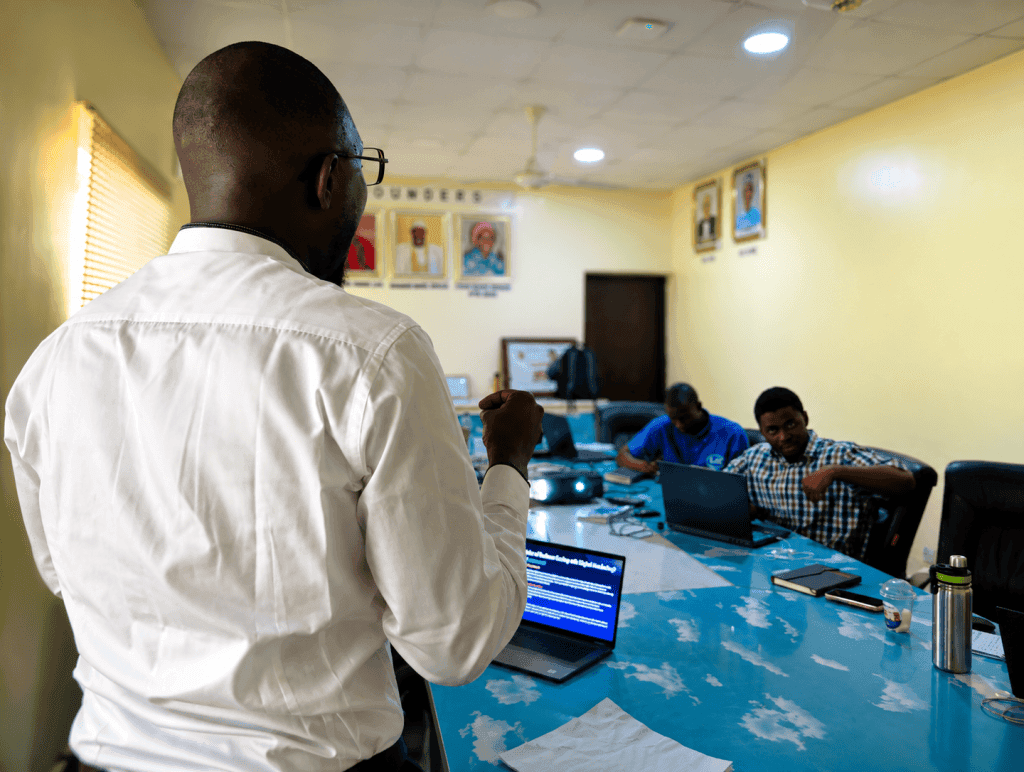
No engagement like this ever wraps up with just documentation. In this case, we emphasized not only the creation of helpful materials but also staff training, knowledge-sharing sessions, and a solid plan to ensure the organization could carry on the work internally long after we wrapped things up.
I explore the importance of this distinction further in my piece on Why Corporate Training Investment Are Not Delivering Results. This particular engagement is a prime example of applying that concept. If a department relies solely on an external consultant to function, it hasn’t genuinely developed; it’s merely borrowing expertise.
Lesson 8. Digital marketing should report business outcomes, not marketing activity.
The last stage of our project really brought everything together, allowing us to measure success in a meaningful way. Instead of just looking at likes, impressions, or follower counts, we focused on metrics that truly matter to the business. We tracked important things like customer acquisition costs, conversion rates, and return on investment. Plus, we created easy-to-use reporting templates that help leadership make informed decisions.
A report that simply notes online activity does not tell the whole story. But when it connects those activities to real results, such as revenue growth, a growing customer base, and progress toward our targets, it becomes incredibly valuable. This is the kind of insight leadership really needs to know about in the effort of building a digital marketing unit for an organization.
What Every CEO and Decision-Maker Should Take Away From This
If your organization relies solely on one talented marketer to manage all your digital activities, it’s important to recognize that you’re not really operating a true digital marketing unit. Instead, you have just one individual juggling everything.
This distinction matters. If that person were to leave, get sick, or simply experience a rough stretch, your entire digital strategy could take a hit. On the other hand, a well-structured Digital Marketing Unit can withstand these challenges because its knowledge, processes, and strategies are embedded within the organization itself, rather than depending on the skills of just one person.
The big takeaway is clear: digital marketing can become a genuine competitive advantage when it’s perceived as a core business capability and not merely a series of marketing tasks. This shift in how you view digital marketing can change everything from hiring and training to performance measurement, technology investment, and overall growth.
If you’re questioning whether your current digital marketing effort is just a one-person show or a small team, or if you’re thinking about how to build this capacity in-house, feel free to reach out to me on LinkedIn or send me a direct message. I’d love to connect and have a conversation!
David Alonge is a Digital Marketing Strategist and Corporate Training Consultant. He is the founder of Adatech Global Edge, a digital marketing consultancy and training firm working with businesses and organisations across Nigeria.